Phishing & Fake Delivery Texts in Qatar: How to Spot Them

If a text lands on your phone claiming your parcel is "held at customs" and you must pay a small fee to release it, or that your Qatar Post delivery failed and you need to "update your address" via a link — treat it as a scam until proven otherwise. Learning to spot phishing texts and fake delivery messages in Qatar is one of the easiest ways to protect yourself, because residents across the country receive these every week. The good news: once you know the pattern, they are simple to spot and simple to ignore.
This guide walks you through exactly how to recognise these messages, how to verify a real delivery safely, and what to do if you've already clicked a link or entered your card details.
Why you keep getting these texts in Qatar
Scam texts (often called "smishing") are sent in bulk to thousands of numbers at once. The senders have no idea whether you're actually expecting a parcel — they're playing the odds that someone is. Because so many of us shop online and track shipments by SMS, a fake "delivery" message feels believable the second it arrives.
There's very little you can do to stop these texts pinging into your phone. What you can control is never becoming a victim — and that comes down to one rule: never act on the message itself. Verify independently, every time.
Step 1 — Recognise the warning signs
Most phishing and fake delivery texts share the same tells. Be suspicious the moment you see any of these:
- A shortened or unfamiliar link — bit.ly-style links, odd spellings of "qatarpost", or domains that don't match the real courier.
- Urgency and pressure — "Your parcel will be returned in 24 hours", "Final notice", "Pay now to avoid a penalty".
- A small, odd fee — a request to pay something like QAR 50 to "release" or "redeliver" a parcel. Scammers deliberately keep the amount low so you pay without thinking.
- Requests for sensitive details — card numbers, OTPs (one-time passwords), PINs, QID numbers, bank login details or passwords.
- A link that leads to a payment or login page asking you to "confirm" your information.
If the message ticks even one of these boxes, stop. As Qatar's security authorities regularly remind residents, a genuine courier or government service will never chase you by SMS for confidential numbers or instant payments through a random link.
Step 2 — Know the names scammers fake
Fraudsters impersonate trusted names to lower your guard. In Qatar, the most commonly faked senders include:
- Qatar Post — "undeliverable parcel", "address update required", "customs fee due".
- DHL, Aramex and other private couriers — "redelivery fee", "shipment on hold".
- Customs — "clearance charge" or "import duty" on a package.
- MOI (Ministry of Interior) — fake traffic fines, QID or residency "updates".
- Banks and tax "refunds" — messages promising a refund if you "verify" your account.
Crucially, don't assume a message is genuine just because it shows a familiar name like "MOI", "Qatar Post", "Customs" or "DHL" as the sender. Sender IDs can be spoofed, and the display name proves nothing.
Step 3 — Do not click, reply or pay
When a suspicious message arrives, do nothing that engages with it:
- Do not click the link.
- Do not download any attachment.
- Do not reply — not even "STOP", as it confirms your number is active.
- Do not enter any information on a page it opens.
- Do not pay any "release", "customs" or "address-update" charge.
Legitimate couriers and government bodies do not charge release or customs fees by SMS. Amounts like QAR 50 are simply bait. If a charge were genuinely due, you'd be able to confirm it through the courier's own official channel — which is exactly what the next step is for.
Step 4 — Verify the delivery the safe way
Never use the link in the text. Always go directly to the official source yourself.
Qatar Post
To check a real Qatar Post delivery, call 163 or visit the official Qatar Post website by typing the address into your browser yourself (not tapping a link). Use your tracking number to confirm the status. If there's no matching shipment, the text was fake.
Private couriers (DHL, Aramex and others)
Open the courier's official app or type their official website address manually, then track using your real waybill or reference number. If you weren't expecting a parcel and can't find one in their system, ignore the message.
Traffic fines and government notices
Check any supposed traffic fine or MOI notice only through the installed official Metrash app or official Ministry of Interior channels — never through an SMS link. Government agencies in Qatar do not request confidential numbers or personal data through suspicious links.
Step 5 — If you already clicked or paid
Mistakes happen, especially when a message catches you off guard. Act quickly to limit the damage:
- Contact your bank immediately if you entered card or bank details — ask them to block the card and watch for unauthorised transactions.
- Change your passwords for any account that may have been exposed, and enable two-factor authentication where possible.
- Report any unauthorised transactions to your bank so they can be investigated and, where possible, reversed.
- Watch your statements closely over the following weeks for small "test" charges.
The faster you move, the better your chances of stopping a payment or freezing an account before more harm is done.
Step 6 — Report the scam in Qatar
Reporting helps protect you and other residents. Here's where to turn:
- Metrash — report suspected cybercrime through the security or cybercrime complaint service within the app.
- Economic and Cyber Crimes Combating Department — contact the Ministry of Interior at cccc@moi.gov.qa.
- Emergency or immediate threat — call 999.
Keep a screenshot of the message and note the sender and any link (without clicking it) so you can provide details when reporting.
Quick everyday habits to stay safe
- Bookmark the real courier apps and websites so you never need a link from a text.
- Never share an OTP, PIN or password with anyone — no legitimate service asks for them.
- Pause before paying any unexpected fee, no matter how small.
- If something feels urgent, that urgency is often the scam working on you — slow down and verify.
- Talk to family members and household staff who may be less familiar with these tricks.
For more practical safety and living tips, browse the latest safety and living guides on Qatar Living, and share this one with anyone in Doha who shops online.
FAQs
Is a text asking me to pay QAR 50 to release my parcel real?
Almost certainly not. Legitimate couriers do not charge release or customs fees by SMS, and small amounts like QAR 50 are used as bait. Verify any genuine charge directly through the courier's official app or by calling Qatar Post on 163.
How can I tell a fake Qatar Post message from a real one?
Fake messages push urgency, include unfamiliar or shortened links, and ask for payment or personal details. A real status can always be confirmed by calling 163 or checking the official Qatar Post website yourself — never through the link in the text.
I clicked the link but didn't enter anything — am I in danger?
Clicking alone is lower risk than entering details, but stay cautious. Don't type anything on the page, close it, and if your phone shows unusual behaviour, scan it with a trusted security tool. If you had entered card or login details, follow Step 5 immediately.
Does the Ministry of Interior send fines or QID updates by SMS link?
Government agencies in Qatar do not request confidential numbers or personal data through suspicious SMS or email links. Check any fine or notice only through the official Metrash app or official MOI channels.
Where do I report a phishing or delivery scam in Qatar?
Report it through Metrash's cybercrime complaint service or email the Ministry of Interior's Economic and Cyber Crimes Combating Department at cccc@moi.gov.qa. For an immediate threat, call 999.
Should I reply "STOP" to unsubscribe?
No. Replying — even with "STOP" — tells the scammer your number is active and in use, which can lead to more messages. Simply delete the text and, if you wish, report it through the official channels above.
Stay updated with the latest news, events, sports updates, business insights, real estate and lifestyle stories on Qatar Living — the leading online platform for residents, expats, and visitors in Qatar.
Follow Qatar Living for daily updates:
- Instagram - @qatarliving
- X - @qatarliving
- Facebook - Qatar Living
- YouTube - qatarlivingofficial
Up Next
Qatar Summer Midday Work Ban & Heat Safety Rules
Qatar's summer midday work ban and workers' heat safety rights explained: banned hours, WBGT limits, employer duties and how to report a problem.
Nov 22,2026
Ministry of Transport Urges Public to Report Unlicensed Ride-Hailing Apps and Non-Compliant Limousines
Qatar Ministry of Transport urges reporting of unlicensed ride-hailing apps and non-compliant limousines via 16016, email or its website.
Nov 20,2026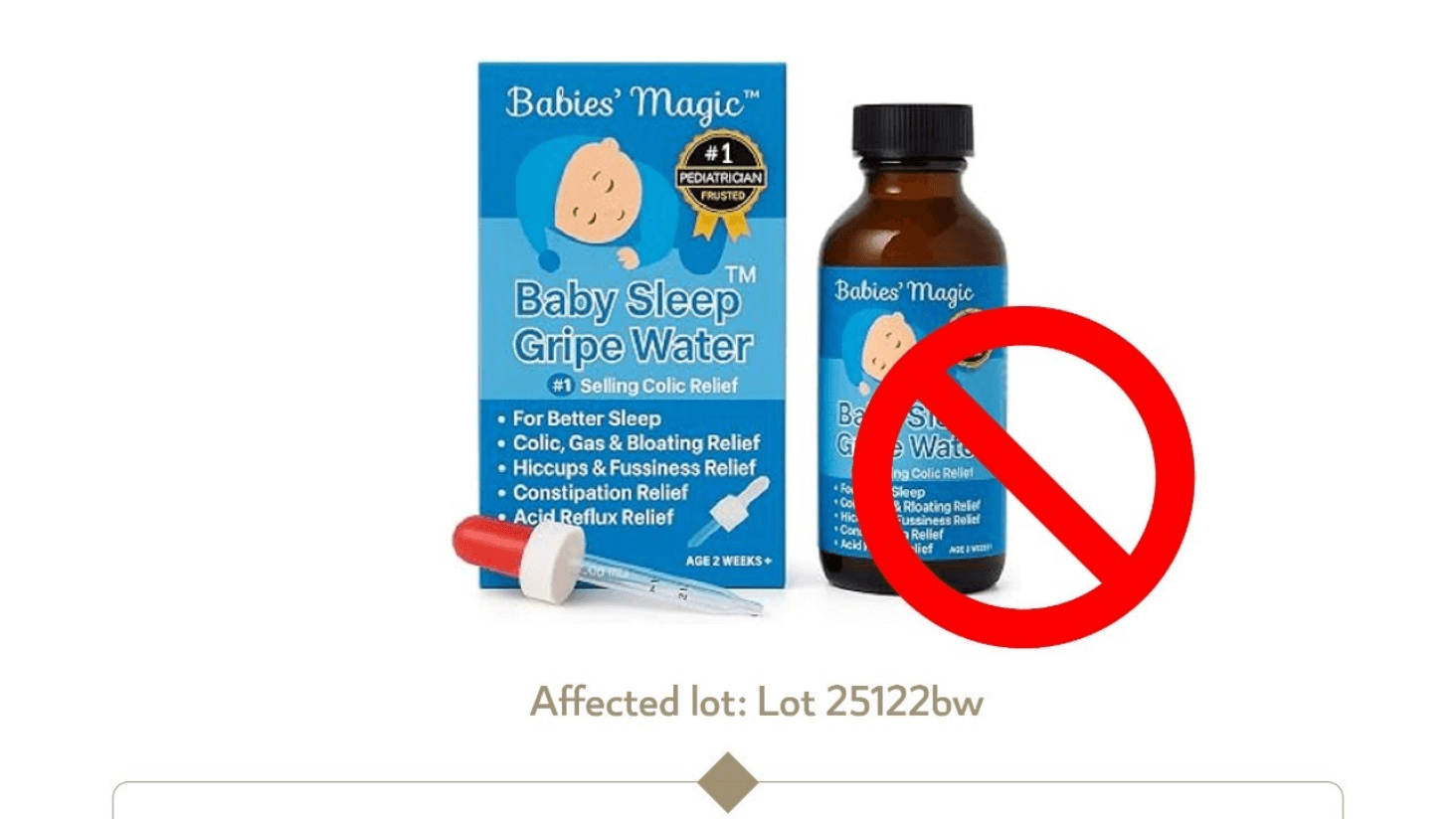
MoPH warns against children’s sleep product containing undeclared alcohols
Qatar’s Ministry of Public Health warns against Babies’ Magic Tea Baby Sleep Gripe Water due to undeclared alcohols in batch 25122bw.
Nov 9,2026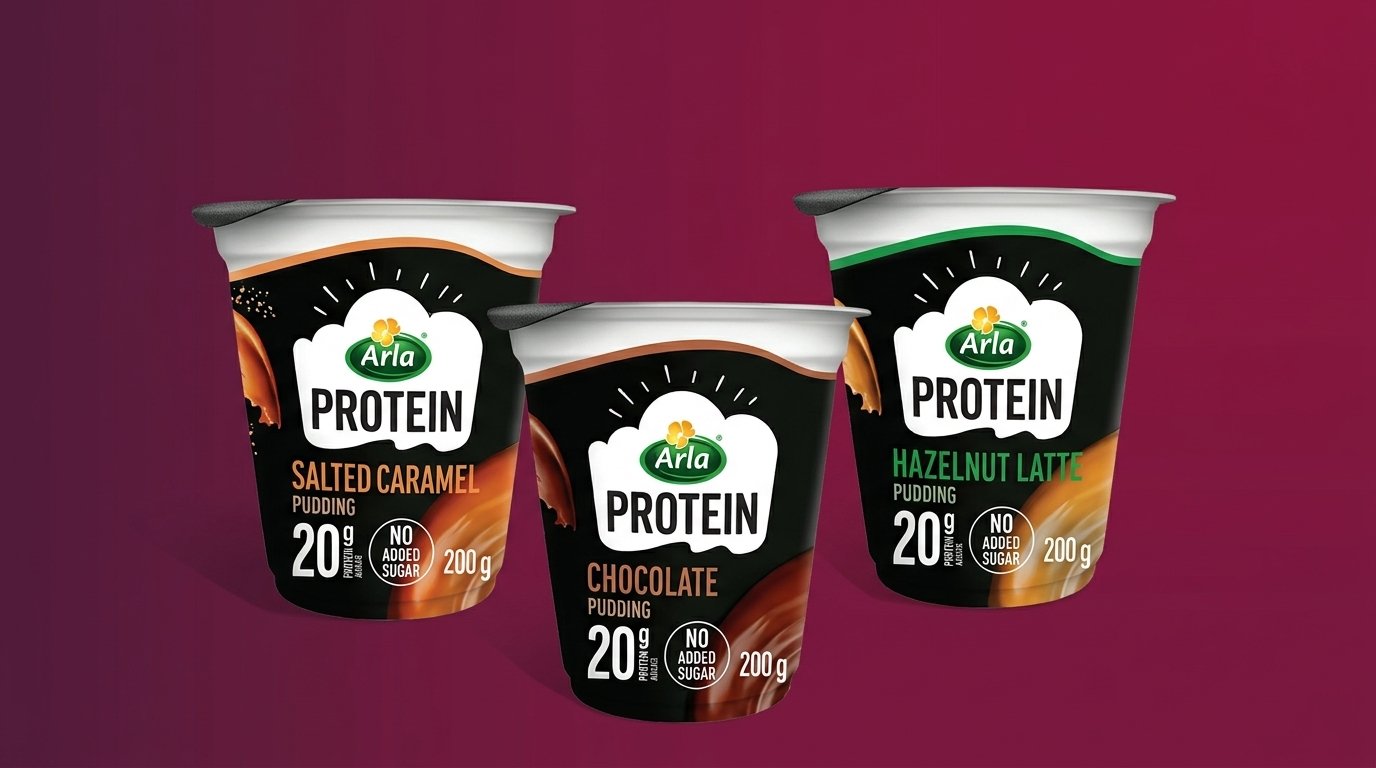
MoPH recalls three Arla Protein Pudding batches over possible glass fragments
Qatar recalls three Arla Protein Pudding batches due to possible glass fragments. Check affected products, batch numbers, and consumer advice.
Oct 28,2026