Qatar Summer Midday Work Ban & Heat Safety Rules
Last reviewed: 22 November 2026
Here is the short answer: in Qatar, from 1 June to 15 September every year, workers cannot be made to work in direct sun or in open, unshaded, unventilated outdoor areas between 10am and 3:30pm. On top of that, work must stop at any time of year once the heat on site reaches a set limit. These protections come from the Ministry of Labour under Ministerial Decision No. 17 of 2021, and they apply to non-Qatari residents working across the country — from construction sites in Lusail to landscaping teams on The Pearl and delivery riders across Doha.
Below, we explain the Summer Midday Work Ban and Heat Safety Rules in Qatar and your rights as a worker: who is covered, when the ban applies, the temperature limit, what your employer must provide, and how to raise a problem if the rules are being broken.
The summer midday work ban in Qatar, in one minute
The core rule is simple. During the hottest months, the midday hours are off-limits for unprotected outdoor work. The aim is to prevent heat stress — a serious condition that can lead to heat exhaustion and heatstroke. Alongside the fixed summer ban, there is a measurable heat limit (WBGT) that can stop work on any day of the year if conditions turn dangerous.
- Season: 1 June to 15 September, every year.
- Banned hours: 10am to 3:30pm for work in direct sun or open, unshaded, unventilated spaces.
- Year-round limit: work stops whenever the workplace WBGT goes above 32.1°C.
Who the rules cover
The heat-stress protections are part of Qatar's wider labour reform programme and are administered by the Ministry of Labour. They apply to workers whose jobs expose them to heat — most obviously outdoor work in direct sunlight, but also indoor or covered work where machinery or poor ventilation pushes the temperature up.
If you work on a construction site, in landscaping, road maintenance, logistics yards, deliveries, or any job that puts you outdoors or in a hot workspace during the day, these rules are written for you. They are workplace safety rules, not something you need to "apply" for — the responsibility sits with the employer to comply, and with the Ministry of Labour to enforce.
The banned hours and dates you need to know
From 1 June through 15 September, work may not be carried out between 10am and 3:30pm in:
- direct sunlight,
- outdoor workplaces, or
- places that are not shaded and ventilated.
There is one carefully defined exception. According to the Ministry of Labour's heat stress guidance, outdoor work may continue during the banned hours only if it takes place in a shaded and adequately ventilated workplace where workers are not exposed to direct sunlight or to extra heat from machinery or other sources — and only while the WBGT stays below 32.1°C. If any of those conditions fails, work must stop.
Your employer must also prepare a daily working-hours schedule that complies with the rules and display it somewhere both workers and labour inspectors can see it, as required by Ministerial Decision No. 17 of 2021.
The year-round WBGT rule (even outside summer)
The midday ban is a fixed calendar rule, but the law goes further with a measurable limit that applies all year. WBGT stands for Wet Bulb Globe Temperature — a single reading that combines heat, humidity, sunlight and air movement to reflect how hot the body actually feels at work. It is a far better guide than the air temperature on your phone.
Under the rules, work must stop whenever the workplace WBGT exceeds 32.1°C, regardless of the date or the time of day. So even on a day outside the June–September window, if conditions on site cross that threshold, the activity should be halted. The employer is responsible for monitoring and recording these conditions.
What your employer must provide
The Ministry of Labour's heat stress FAQs set out clear employer duties. Your employer must:
- carry out a heat-stress risk assessment for the work being done;
- monitor and record workplace weather conditions and WBGT;
- provide suitable cool drinking water free of charge;
- provide accessible, shaded rest areas;
- supply appropriate personal protective equipment (PPE);
- give heat-stress training so workers can recognise the warning signs; and
- arrange annual health checks for workers exposed to heat.
These are not optional extras. If cool water, shade, rest breaks or the working-hours schedule are missing on your site, those are exactly the gaps the rules are designed to close.
Your rights as a worker
You have a clear, named right under Ministerial Decision No. 17 of 2021. A worker may stop work and complain to the Ministry of Labour when there is a valid reason to believe heat stress is threatening their safety or health. The practical step is to tell your supervisor first, so the situation can be looked at.
The decision also expressly recognises that workers can control their own work pace and take the breaks they need. In plain terms: you are allowed to slow down and rest when the heat demands it, without that being treated as refusing to work.
How to report a heat-safety problem
If your employer is ignoring the midday ban, pushing work above the WBGT limit, or failing to provide water, shade or rest, the official route is the Ministry of Labour. Start by raising it with your supervisor, and if it is not resolved, escalate it to the Ministry.
A few honest points so you are not misled: the official sources we rely on for this guide do not publish a specific online e-service name, a required document list, a filing fee, or a complaint deadline for heat-stress reports. So rather than quote numbers that could be wrong, the safest course is to contact the Ministry of Labour directly through its official channels to confirm the current complaint procedure, any documents to bring, and timelines before you file.
What to do if you feel unwell on site
Heat stress can escalate fast, so acting early matters. The Ministry of Labour's worker-facing heat stress FAQs advise workers to:
- drink water regularly, before you feel thirsty;
- take breaks whenever you need them;
- use the buddy system — watch out for your colleagues and have them watch out for you;
- report it immediately if you feel unwell; and
- stop work straight away if you notice symptoms.
Warning signs to take seriously include dizziness, nausea, headache, weakness, heavy sweating, a rapid heartbeat, or muscle cramps. If you or a colleague show these, stop, move to shade, drink water and get help without delay.
FAQs
What are the exact banned hours in summer?
From 1 June to 15 September each year, outdoor work in direct sun or in unshaded, unventilated spaces is not allowed between 10am and 3:30pm.
Can any outdoor work continue during the banned hours?
Only in a genuinely shaded and well-ventilated workplace where workers are not exposed to direct sunlight or extra heat from machinery, and only while the WBGT stays below 32.1°C. If those conditions aren't met, work must stop.
Do the heat rules apply outside summer?
Yes. The midday ban is seasonal, but the WBGT rule applies all year: work must stop whenever the workplace WBGT exceeds 32.1°C, no matter the date or time.
Can I refuse to work if it's too hot?
You may stop work and complain to the Ministry of Labour when there is a valid reason to believe heat stress threatens your safety or health. Inform your supervisor first so the situation can be examined, and you are entitled to control your work pace and take needed breaks.
Is there a fee to report a heat-safety violation?
The official sources used for this guide do not state a fee, a document list or a deadline for heat-stress complaints. Confirm the current procedure directly with the Ministry of Labour before filing.
Who is responsible for providing water and shade?
The employer. They must provide free cool drinking water, accessible shaded rest areas, PPE, heat-stress training, risk assessments, WBGT monitoring and annual health checks.
Official sources
- Ministry of Labour — Ministerial Decision No. 17 of 2021 on precautions to protect workers from heat stress
- Ministry of Labour — Heat Stress Guidance
- Ministry of Labour — Heat Stress FAQs
- Ministry of Labour — Heat Stress FAQs for workers
- Government Communications Office — Labour Reform
Know your rights and keep safe this summer. Looking for your next role? Browse the latest jobs in Qatar on Qatar Living.
This guide is general information, not legal advice. Rules and fees can change — always confirm with the official sources linked above before you act.
Stay updated with the latest news, events, sports updates, business insights, real estate and lifestyle stories on Qatar Living — the leading online platform for residents, expats, and visitors in Qatar.
Follow Qatar Living for daily updates:
- Instagram - @qatarliving
- X - @qatarliving
- Facebook - Qatar Living
- YouTube - qatarlivingofficial
Up Next

Ministry of Transport Urges Public to Report Unlicensed Ride-Hailing Apps and Non-Compliant Limousines
Qatar Ministry of Transport urges reporting of unlicensed ride-hailing apps and non-compliant limousines via 16016, email or its website.
Nov 20,2026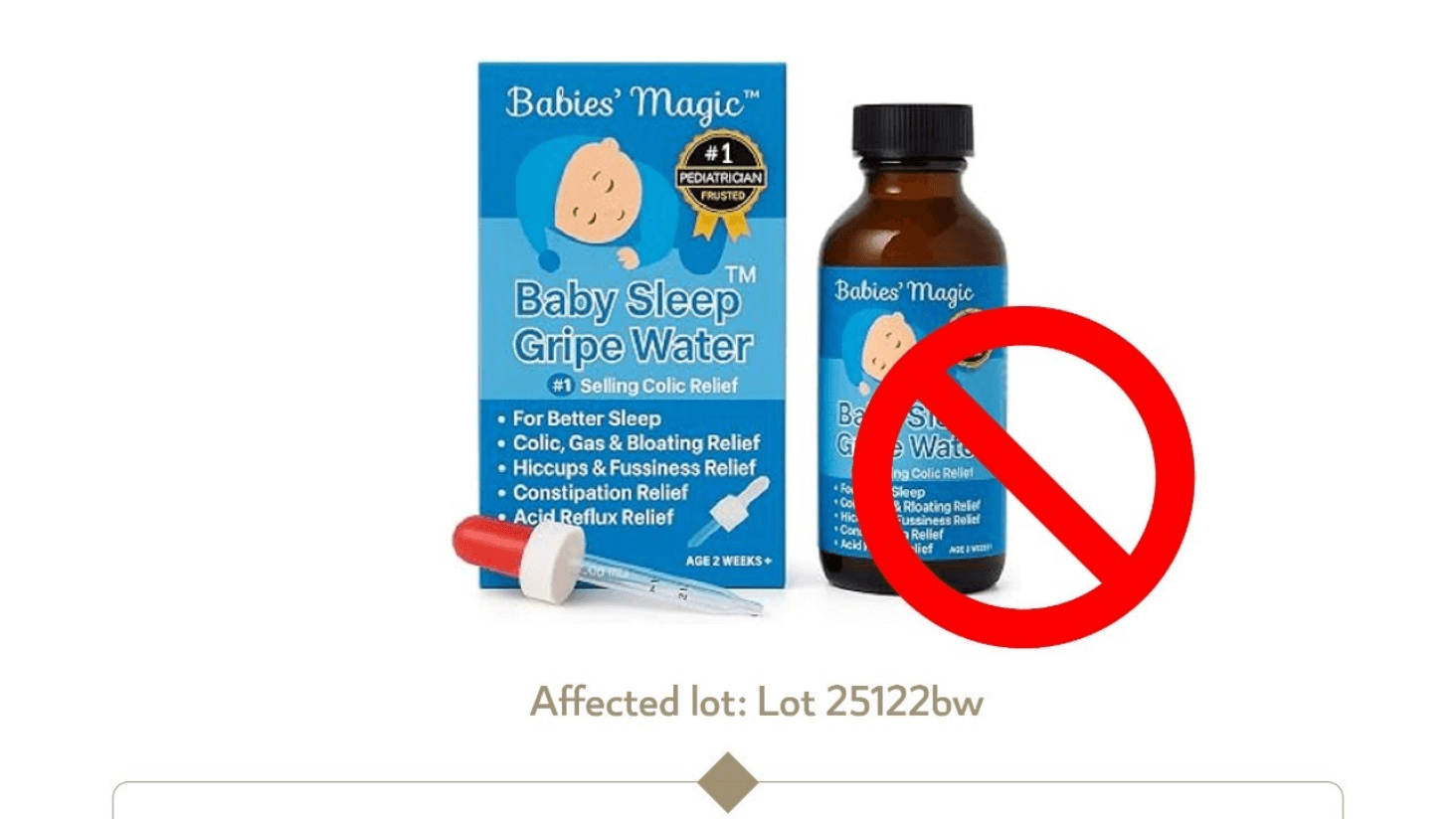
MoPH warns against children’s sleep product containing undeclared alcohols
Qatar’s Ministry of Public Health warns against Babies’ Magic Tea Baby Sleep Gripe Water due to undeclared alcohols in batch 25122bw.
Nov 9,2026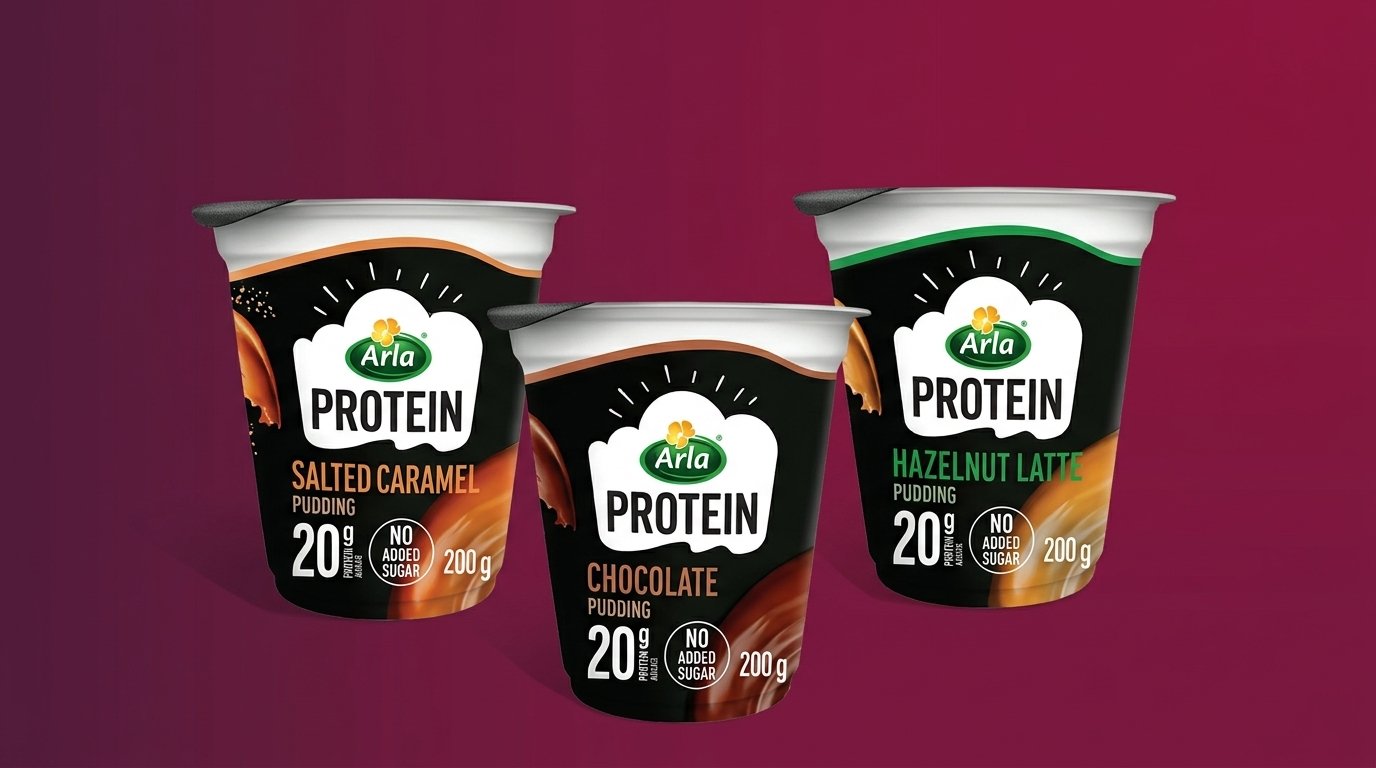
MoPH recalls three Arla Protein Pudding batches over possible glass fragments
Qatar recalls three Arla Protein Pudding batches due to possible glass fragments. Check affected products, batch numbers, and consumer advice.
Oct 28,2026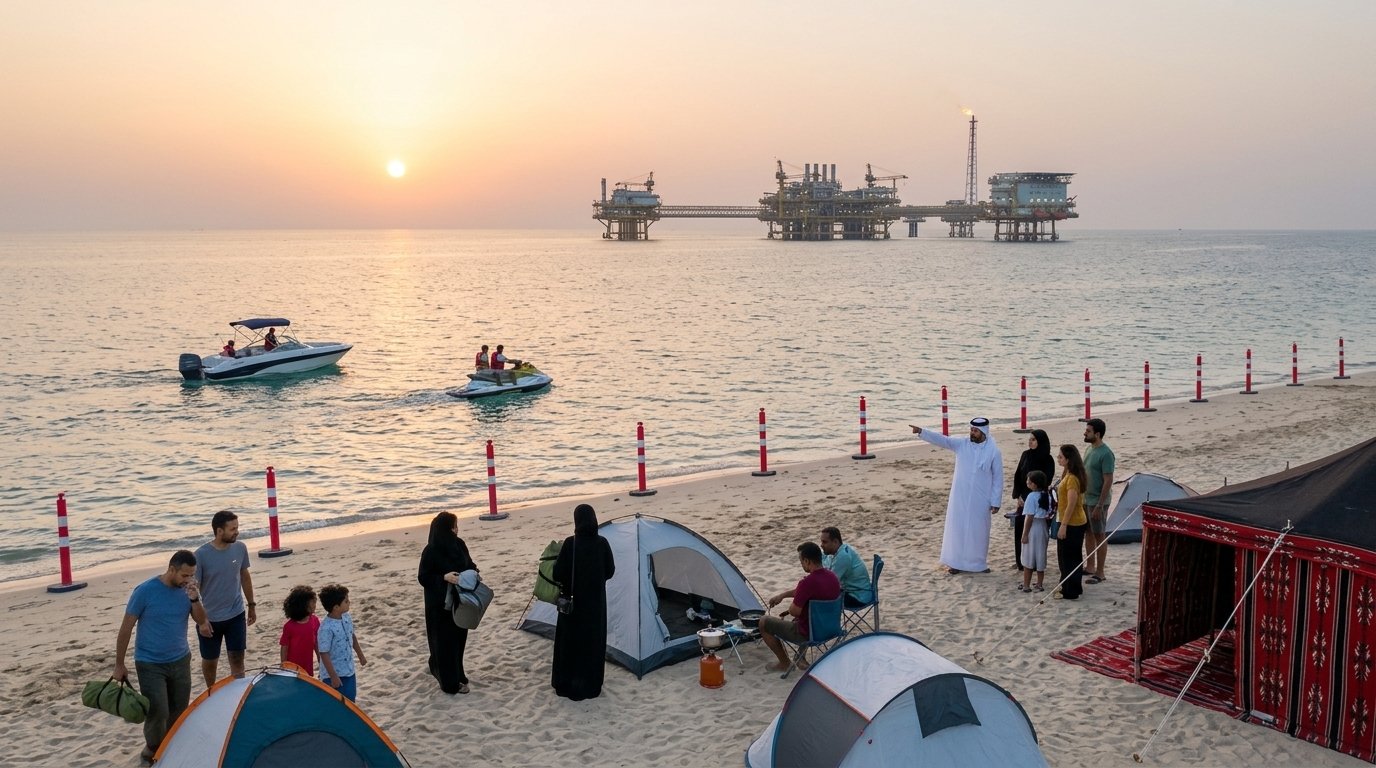
MOI reminds campers and boaters to stay 500 metres away from oil and gas facilities
Qatar’s Ministry of Interior urges campers and boaters to stay 500 metres from oil and gas facilities to ensure public and infrastructure safety.
Oct 28,2026