Traditional Qatari Restaurants in Doha: Local Food
Want to eat like a local in Doha? The quickest route to real Qatari food is Souq Waqif, where home-style machboos, harees, balaleet and luqaimat are served within a few minutes' walk of each other. Below is a resident's guide to the traditional Qatari restaurants in Doha worth knowing — where to go, what to order, and roughly what you'll pay, with honest notes on confirming hours and prices before you travel.
Updated June 2026 — prices and hours verified against local menus; always check on the day.
What counts as traditional Qatari food?
Qatari cuisine is built around slow-cooked rice, aromatic spices and shared plates. These dishes reflect Qatari heritage and the Gulf's long trading history, which brought spices like cardamom, saffron and cinnamon into everyday cooking. If you're new to it, here's what to look for:
- Machboos — spiced rice cooked with chicken, lamb, fish or prawns (the national favourite).
- Harees — a comforting porridge of wheat and meat, slow-cooked until smooth.
- Balaleet — sweet vermicelli topped with a thin omelette, usually a breakfast dish.
- Luqaimat — golden fried dough balls drizzled with date syrup, the go-to dessert.
- Umm Ali — a warm bread-and-milk pudding popular across the Gulf.
- Karak — strong milky tea with cardamom; the drink that fuels the country.
Start in Souq Waqif — the heart of local dining
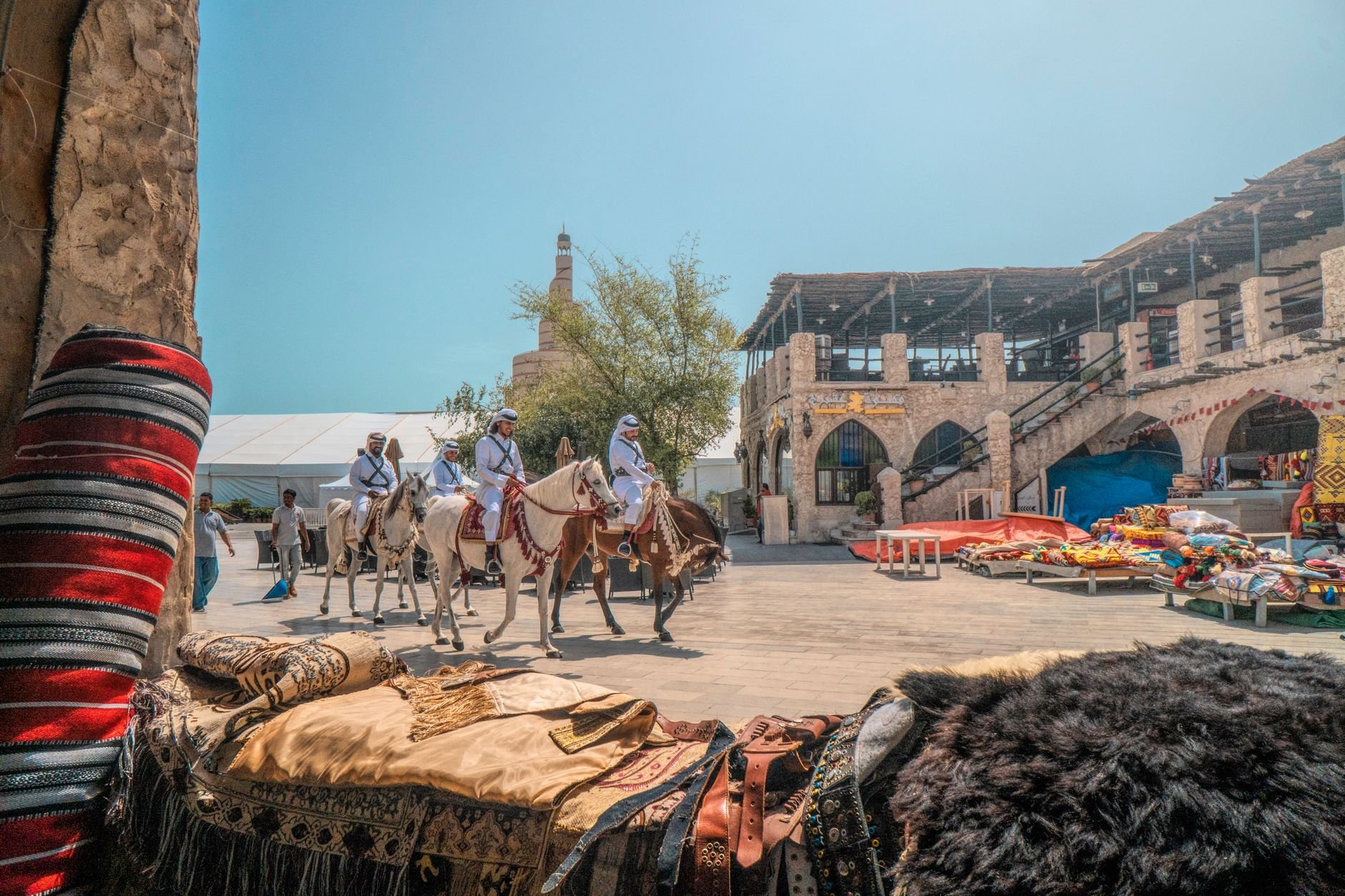
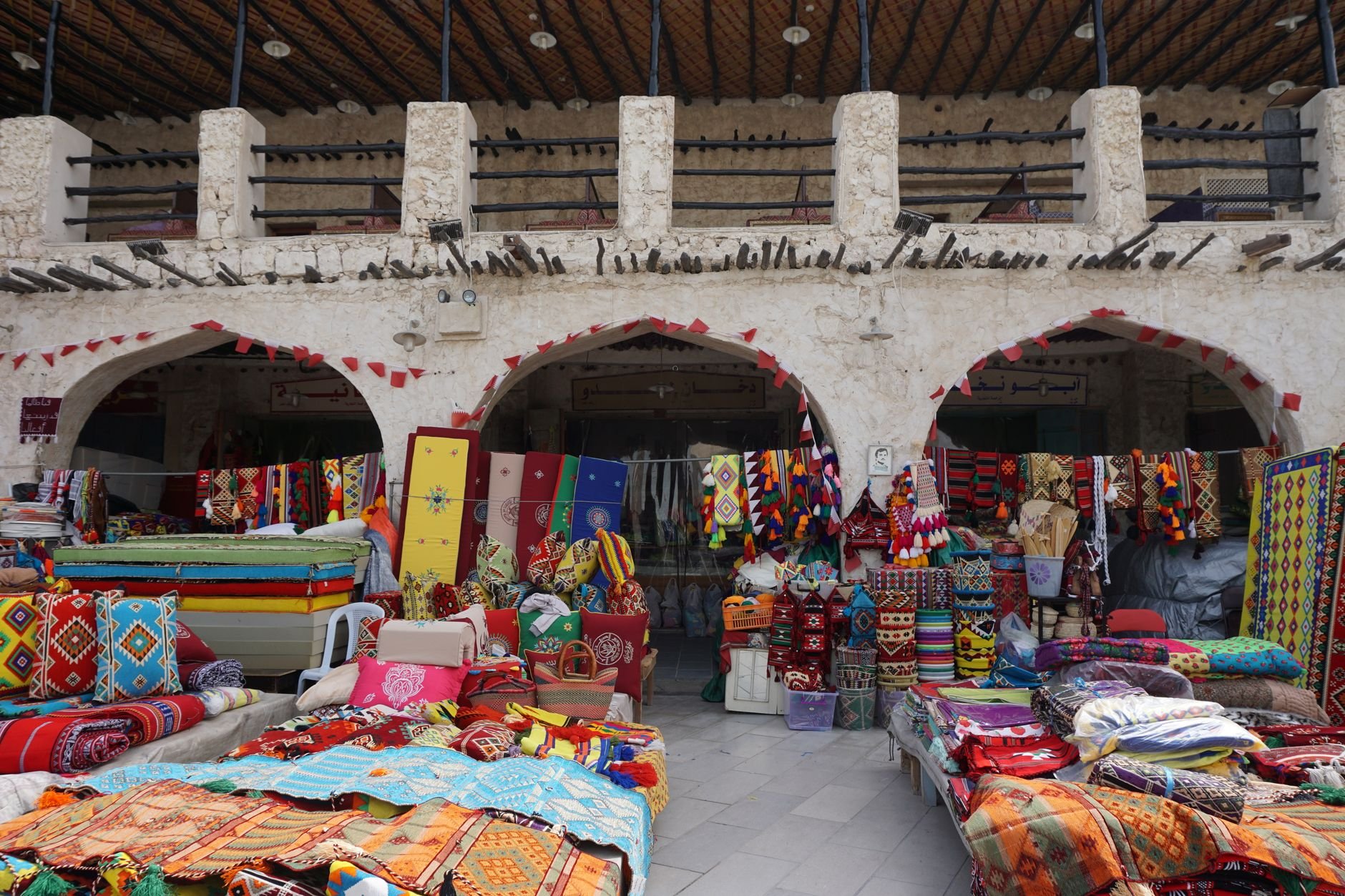
Souq Waqif is the obvious first stop. The restored lanes are packed with restaurants, and a handful serve genuinely traditional Qatari food rather than generic Middle Eastern menus. It's walkable, lively in the evenings, and easy to reach — the Souq Waqif Metro station (Gold Line) drops you a short walk away, or a Karwa taxi will bring you to the main entrance.
Al Jasra Traditional Food
One of the best-known names for Qatari home-style cooking inside the Souq. The menu leans into the classics — machboos, harees and balaleet — and the setting is relaxed and family-friendly. Expect to pay typically around QAR 50–120 per person, depending on whether you share plates or order a full main each. Service generally covers lunch and early evening; confirm exact opening hours before you go, as they can shift with the season.
Shay Al Shoomoos
A long-standing favourite for a traditional Qatari breakfast. Balaleet, eggs and local morning dishes are the draw here, alongside karak. Pricing sits at comfortable café level, though it's worth checking exact menu prices on arrival. It typically runs morning and evening sessions with an afternoon break, so time your visit for breakfast or after sunset rather than mid-afternoon.
Berenjak Souq Waqif
Handy if you want clear, listed prices. Here machboos is typically around QAR 40, grilled machboos around QAR 80, and shawarma around QAR 30. It generally keeps long hours — around 12:00 to midnight daily — which makes it an easy late dinner after wandering the Souq.
Beyond the Souq — neighbourhood cafeterias
You don't have to be in Souq Waqif to eat well. Smaller cafeterias across Doha serve the same dishes at everyday prices, often with quick counter service and takeaway. These spots are where many residents grab a machboos or a box of luqaimat without the tourist premium.
Al Shamal City Cafeteria
A straightforward, budget-friendly option. Expect machboos typically around QAR 50, luqaimat around QAR 20 and umm ali around QAR 30, with listed hours of roughly 10:00 to 22:00. It's a good example of the no-frills local eateries dotted across the city — always worth a quick call to confirm they're open before heading over.
What to order: a dish-by-dish guide
If it's your first time, build a meal like this:
- Main: Chicken or lamb machboos — the safest introduction to Qatari flavours. Mains generally cost around QAR 40–90.
- To share: A bowl of harees, especially in cooler months when it feels most at home.
- Breakfast swap: Balaleet if you're going in the morning.
- Dessert: Luqaimat, usually around QAR 10–20 — order them hot.
- Drink: Karak, generally just QAR 3–7 a cup.
What a meal typically costs
Budgets vary by setting, but as a rough guide:
- Cafeteria / counter meal: A main plus a drink can come in under QAR 60.
- Sit-down in Souq Waqif: commonly around QAR 70–180 per person once you add sides and dessert.
- Single dishes: machboos typically QAR 40–90; luqaimat QAR 10–20; karak QAR 3–7.
Prices and menus can change, so treat these as indicative and check on the day.
Best times to go (and when to confirm first)
Evenings are the sweet spot in Souq Waqif — cooler weather, more atmosphere and full kitchens. For traditional breakfasts like balaleet, go early. Two things to keep in mind:
- Ramadan: hours shift significantly; many places open for iftar and stay busy late into the night.
- Public holidays and peak season: expect crowds and occasional menu or price changes.
Whenever possible, confirm opening hours and prices directly before you travel across the city.
Tips for first-timers
- Come hungry and share. Qatari meals are built for a table, not a solo plate.
- Dress modestly in the Souq, especially in family areas.
- Carry small cash for cafeterias and karak stands, even if cards are accepted.
- Visit in cooler months for outdoor seating — Doha's winter season is ideal.
- Finish with karak from a street stand for the full local experience.
FAQs
Where is the best place to try traditional Qatari food in Doha?
Souq Waqif is the easiest starting point, with several restaurants serving machboos, harees and balaleet within walking distance of each other. Neighbourhood cafeterias around the city offer the same dishes at lower prices.
How much does a traditional Qatari meal cost?
A cafeteria meal can be under QAR 60, while a sit-down meal in Souq Waqif is commonly around QAR 70–180 Individual mains typically run QAR 40–90.
What should I order first?
Start with chicken or lamb machboos, add harees to share, and finish with luqaimat and a cup of karak. It's the classic introduction to Qatari flavours.
Is Qatari food spicy?
It's aromatic rather than fiery — think warm spices like cardamom, cinnamon and saffron. Most dishes are gently spiced and family-friendly.
Do these restaurants open during Ramadan?
Many adjust their hours and focus on iftar and late-evening service during Ramadan. Always confirm timings directly, as they change across the holy month.
How do I get to Souq Waqif?
Take the Doha Metro Gold Line to Souq Waqif station and walk, or use a Karwa taxi or ride-hailing app to the main entrance.
Hungry for more? Explore the latest restaurants, cafés and food spots in our Qatar Living dining and lifestyle listings, and keep discovering the best places to eat across Doha.
Stay updated with the latest news, events, sports updates, business insights, real estate and lifestyle stories on Qatar Living — the leading online platform for residents, expats, and visitors in Qatar.
Follow Qatar Living for daily updates:
- Instagram - @qatarliving
- X - @qatarliving
- Facebook - Qatar Living
- YouTube - qatarlivingofficial